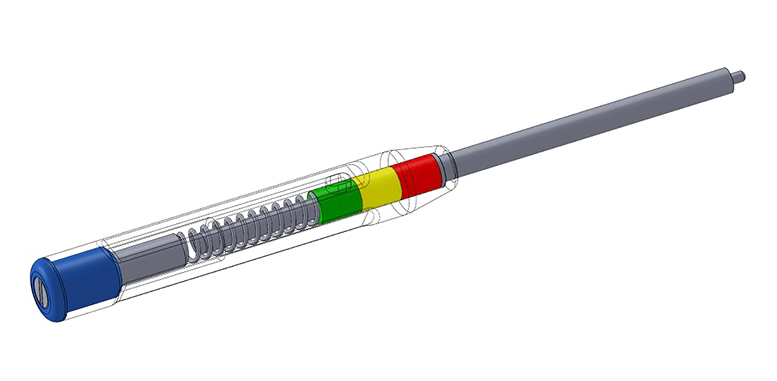
Dynamometer
Bullets
Concept
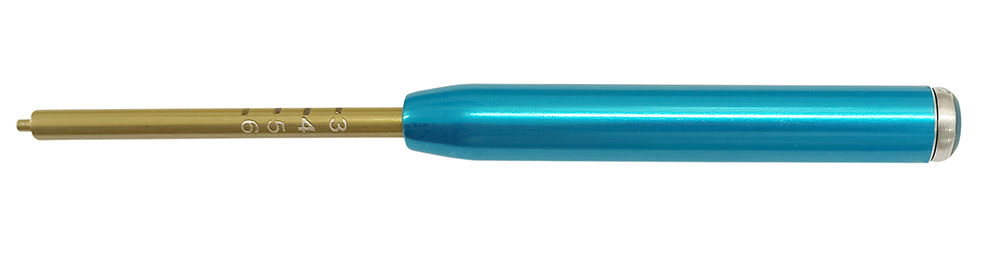
We have two types of tensioners:
1. Quantitatively scaled, which displays the exact force measurement
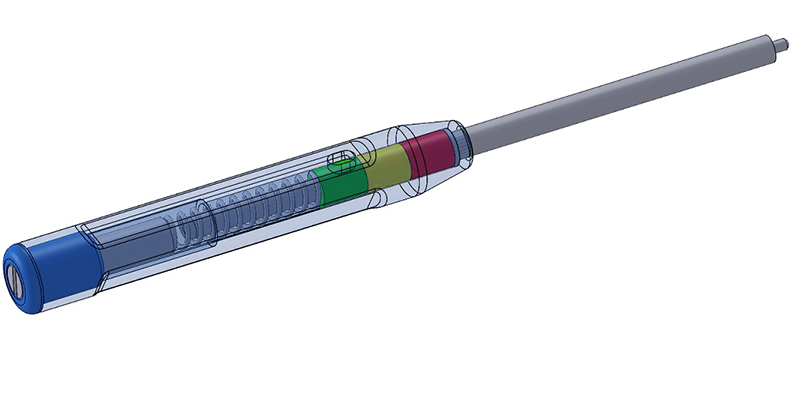
2. Color-scaled, with green, yellow, and red colors indicating increasing force levels, respectively. This type should be set to the yellow color, and if the force increases to the red color, it indicates over-distraction and a reduction in force is necessary.
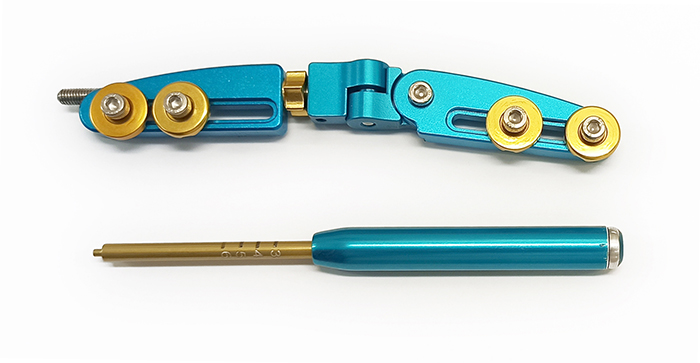
First, insert the tensioner head into the Distal Radius External Fixator rod hole and secure it.
While the tensioner is aligned with the external fixator rod, apply the appropriate force, typically between 2 to 3 kg. The tensioner is equipped with a scale, allowing us to monitor the force exerted.
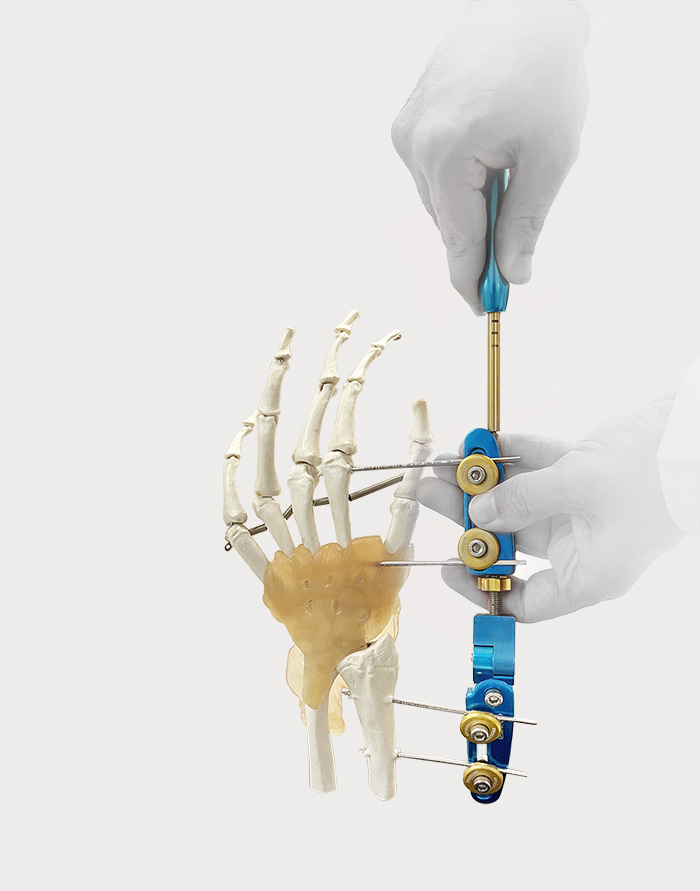
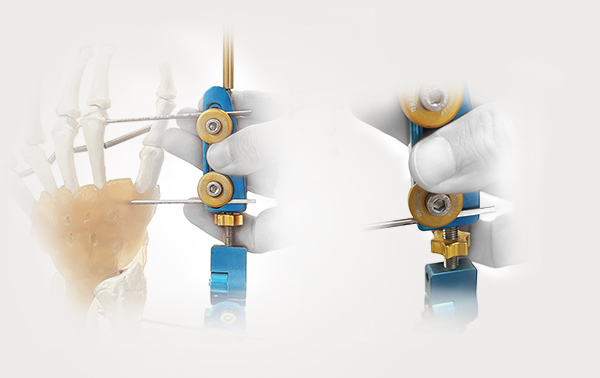
Once you have reached and maintained the desired distraction force, we turn the nut clockwise, using our index finger to touch the proximal border of the metacarpal plate. Finally, you can double-check and confirm the proper amount of force applied by gently moving the tensioner and turning the nut.
First, insert the tensioner head into the Distal Radius External Fixator rod hole and secure it.
While the tensioner is aligned with the external fixator rod, apply the appropriate force, typically between 2 to 3 kg. The tensioner is equipped with a scale, allowing us to monitor the force exerted.
Once you have reached and maintained the desired distraction force, we turn the nut clockwise, using our index finger to touch the proximal border of the metacarpal plate. Finally, you can double-check and confirm the proper amount of force applied by gently moving the tensioner and turning the nut.